
Insulation Expertise from Keith Porter
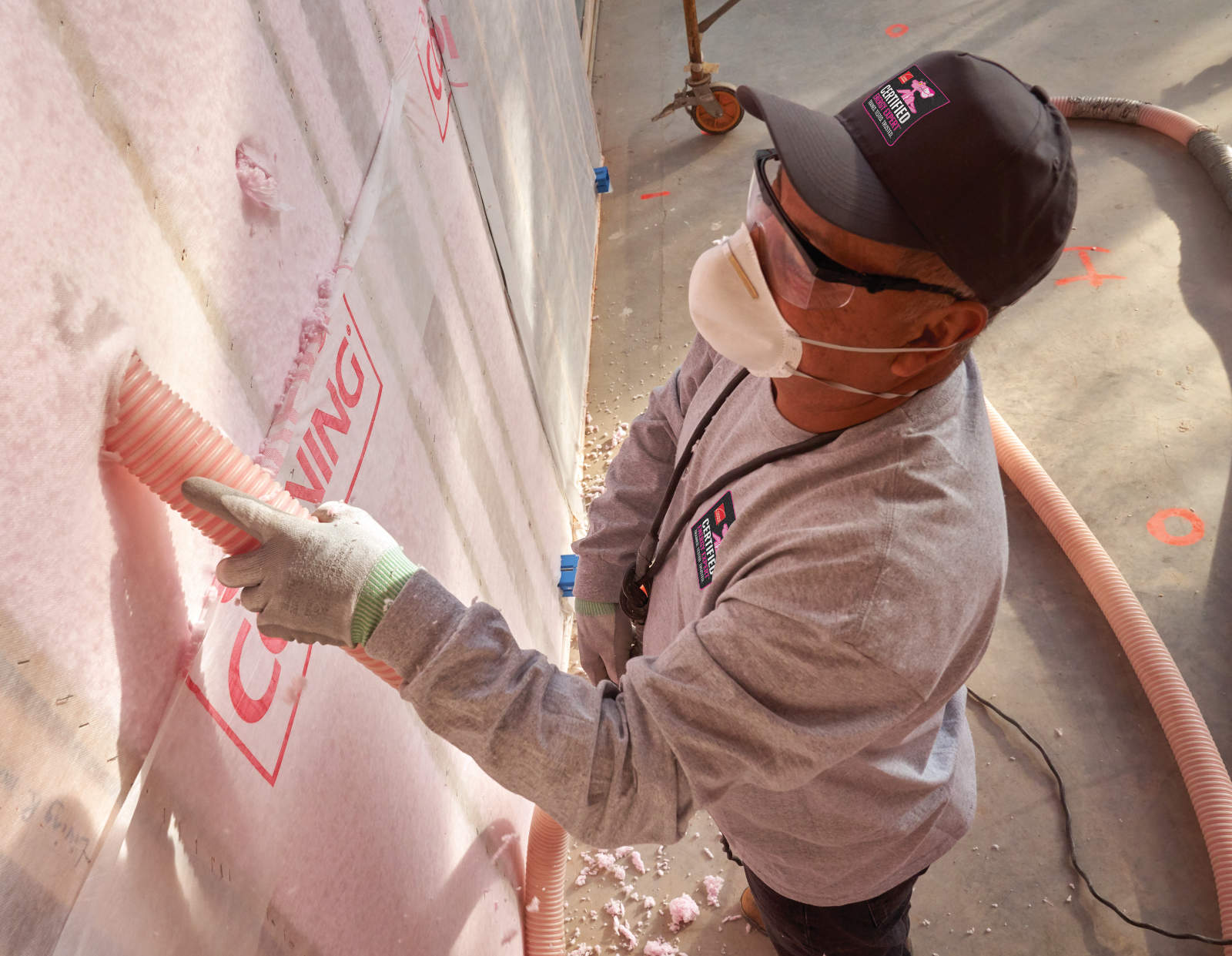
More than 90%1 of US homes are estimated to be under-insulated2, which means your home is likely one of them! Adding proper insulation means year-round comfort for your home. It also helps prevent wear and tear on your HVAC equipment, meaning you can save on heating and cooling costs. Keith Porter works with only the best insulation materials on the market, so our customers know they are receiving quality products when they work with us. Plus, as Owens CorningTM Certified Energy Experts®, we are extensively trained to properly install products for optimal efficiency.
Keith Porter specializes in the installation of:
Insulation cost varies based on a variety of factors, such as the type of insulation used, area to be insulated and the scope of the project. An experienced member of the Keith Porter team will work with you to select the right insulation type for your project and budget.
Contact us to start your insulation project.
Owens Corning Insulating Systems, LLC is a manufacturer of durable, high-quality fiberglass products and does not sell or endorse other insulation industry products.
1Estimate developed by the North American Insulation Manufacturers Association (NAIMA) based on a forthcoming analysis of the single-family detached residential building stock by Boston University.
2*Under-insulated here means when compared to the minimum prescriptive wall and ceiling insulation R-values found in the 2012 International Energy Conservation Code (IECC).